Assistant Professor
- Composition, Theory & Technology •
- School of Music
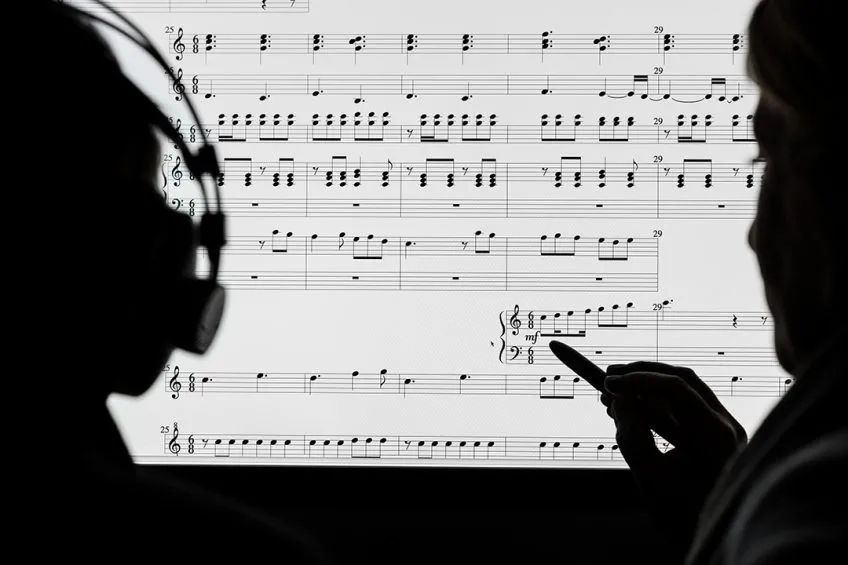
The Composition Program at the University of Florida attracts students from around the world with its internationally acclaimed faculty and wealth of performance opportunities for student compositions. Building on its historical foundation in technology, the current program finds strength in diversity with strong emphases in both acoustic and electronic music composition. Degrees are available through the D.M.A. and the Ph.D., and substantial fellowships and assistantships are available to qualified applicants.
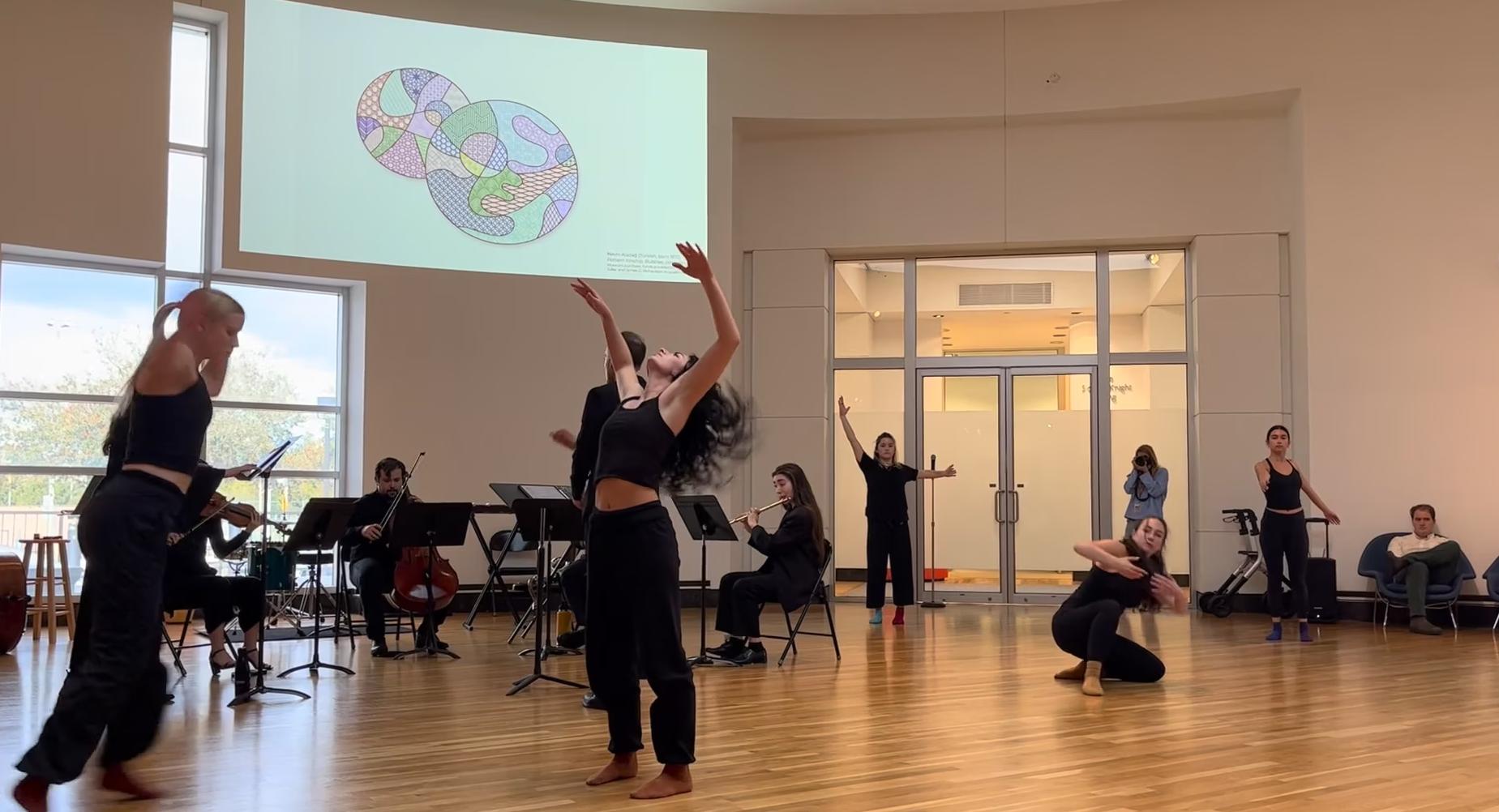
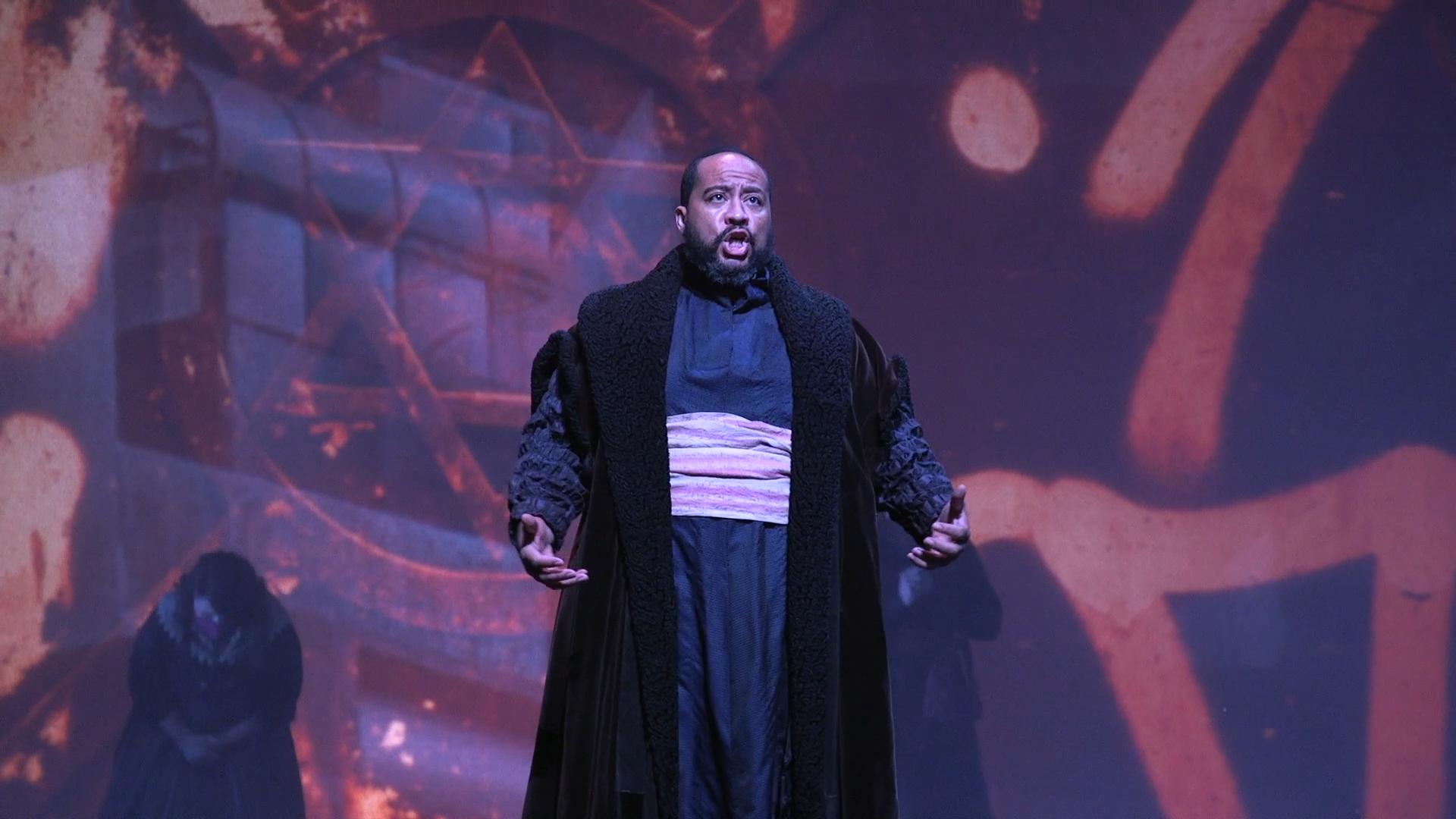
The ample performance and recording opportunities at UF are student-led, with student organizations empowered to invite professional performers and ensembles of their choosing. Recent Guest Performers have included the JACK Quartet, Ensemble Dal Niente, loadbang, Ekmeles, Irvine Arditti, icarus Quartet, Quince Ensemble, Transient Canvas, and Bold City Contemporary Ensemble. Available as well are competitive opportunities for large ensemble readings and performances, which has included the University Symphony Orchestra, UF Bands, Jazz Bands, and New Music Ensemble.
Students benefit from visits by distinguished visiting composers to our weekly studio class, including John Corigliano, Phillip Glass, Julia Wolfe, Michael Torke, Jennifer Barker, Michael Gandolfi, Libby Larsen, Lei Liang, Matthew Ricketts, Daniel Asia, Stephen Montague, Mike Frengel, Don Freund, Roger Briggs, Scott McAllister, Daniel Kellogg, Katherina Rosenberger, Cort Lippe, David Gompper, Don Grantham, and Clarence Barlow.
Collaboration is encouraged, facilitated by other programs within the College of the Arts, including the School of Theatre + Dance and the Digital Worlds Institute. Alumni of the program are active in the field, serving as professors in academia, directors of international music festivals, interdisciplinary scholars, researchers, and independent artists.
The University of Florida Theory Program offers master’s level study of music theory, while also serving the School of Music community broadly, enriching the study of performance, composition, and musicology. The M.M. in Theory provides students with the theoretical, analytical, and academic expertise necessary to contribute meaningfully to the field. Students graduating from the program continue on with doctoral work in Theory, Historical Musicology, or Composition.
Strengths of the department include jazz theory, contemporary music, prolongational analysis, and transformational theory. Faculty and students regularly present research in UF’s Musicology Colloquium series, which also features several guest lecturers from leading scholars every year. Theory students also benefit from the many lectures on contemporary music occurring throughout the year through the UF Composition Program. Assistantships in music theory are awarded to qualified applicants.
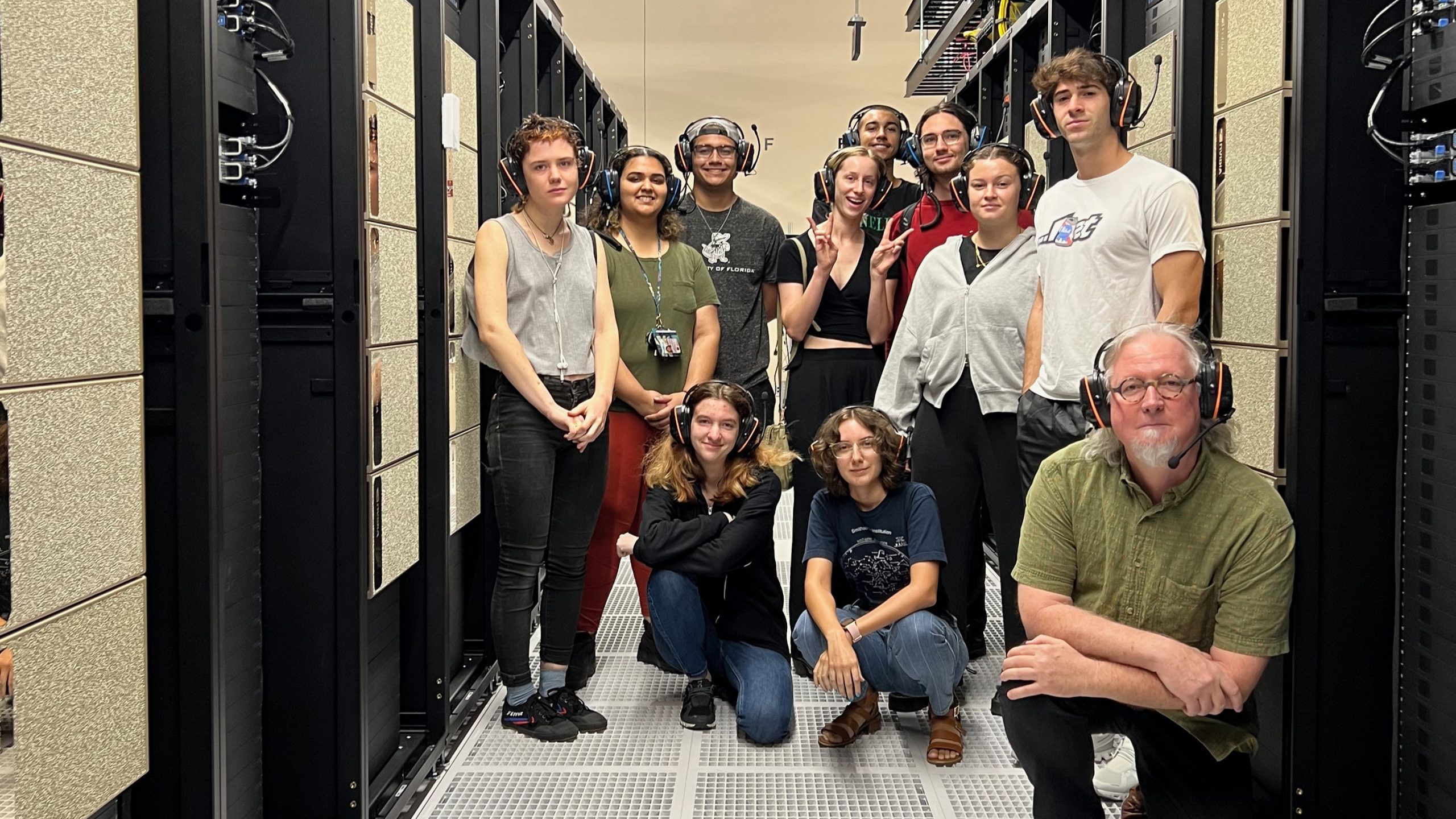
A wealth of opportunities exist at the University of Florida for students interested in music technology, with courses in music tech and electroacoustic music ranging in level from introductory to advanced. Students composing electroacoustic music will find abundant resources in the state-of-the-art electroacoustic studio facilities and the UnBalanced Connection concert series, which provides performance opportunities each semester. While the School of Music does not offer a degree in music technology, interested students can pursue a composition degree, which incorporates music technology into the curriculum.
Not sure which degree is best for you or if you qualify for a minor or certificate? Connect with an advisor.
Graduate composers at UF have ample opportunities for their compositions to be performed and recorded. These opportunities are student-led, with student organizations empowered to invite professional performers and ensembles of their choosing. The slate of guest performers for the 2020-21 academic year includes loadbang, Irvine Arditti, the Bold City Contemporary Ensemble, Unheard-of//Ensemble, Transient Canvas, and Icarus Quartet, among others.
Available as well are competitive opportunities for large ensemble readings and performances, which has included the University Symphony Orchestra, UF Bands, Jazz Bands, and New Music Ensemble.
Electroacoustic compositions are featured on the UnBalanced Connection concert series, which provides performance opportunities each semester.
We believe that it is important for graduate students to get experience in the classroom, and our graduate students are automatically considered for a teaching assistantship in the area, depending on the area needs and the expertise of the student. Graduate students assist with our aural skills, written theory, music technology, composition, and arranging courses.
Graduate students in composition are automatically considered for teaching assistantships in the area, which come with a competitive funding package that includes a stipend, tuition waiver, and health insurance. For complete descriptions of the funding packages available for each specific graduate degree, please see the following links: MM, DMA, PhD.
As facility with technology is an integral component of being a successful composer or researcher, we do not have majors specifically in music technology, but rather incorporate technology study into our composition and theory degrees. Students interested in technology are encouraged to look at the composition and theory tracks, and consider courses including MUS 1360-Introduction to Music Technology and MUC 4313-Introduction to Electroacoustic Music.
There are two main differences between the DMA and PhD degree, relating to the cognate and capstone project.
Both degrees require a cognate (study in some other area). In the DMA, that cognate will be at least 15 credits (5 classes) and must be in a discipline outside of music. There are a large number of options, based on the interests and desires of the student, including, but not limited to, Engineering, Entrepreneurship, Management, Arts in Medicine, and Digital Media. The cognate in the PhD degree will be at least 12 credits, and can come from either outside the music program, or from some other area within the School of Music, such as musicology, performance, or conducting.
The second difference is in the capstone project. The DMA requires a creative project that incorporates some aspect of the cognate study and supporting documentation. The PhD is a research degree, requiring both a dissertation and a final composition project.
We believe that it is important for graduate students to get experience in the classroom, and our graduate students are automatically considered for a teaching assistantship in the area, depending on the area needs and the expertise of the student. Graduate students assist with our aural skills, written theory, music technology, composition, and arranging courses. The stipend for these positions is competitive and includes a tuition waiver and health insurance.
The ample performance and recording opportunities at UF are student-led, with student organizations empowered to invite professional performers and ensembles of their choosing. The slate of guest performers for the 2020-21 academic year includes loadbang, Irvine Arditti, the Bold City Contemporary Ensemble, Unheard-of//Ensemble, Transient Canvas, and Icarus Quartet, among others. Available as well are competitive opportunities for large ensemble readings and performances, which has included the University Symphony Orchestra, UF Bands, Jazz Bands, and New Music Ensemble.