Teaching Lab Specialist
- Art & Technology •
- Graphic Design/Design & Visual Communications •
- School of Art + Art History •
- Studio Art
Where new tools meet new ideas.
Technology is reshaping how we communicate, create, and experience the world. As artists, we explore how emerging tools and systems influence—and expand—the possibilities of art.
In Art + Technology, we help you build a concept-driven, critically engaged practice through:
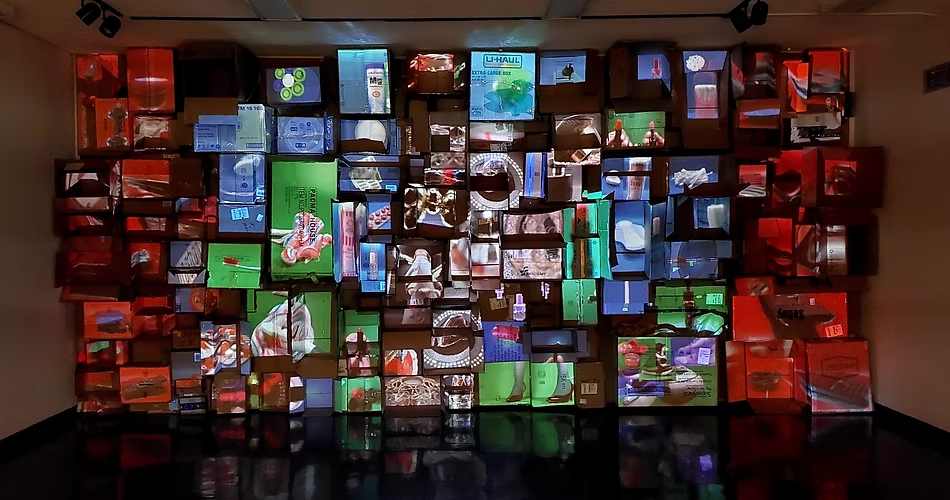
– Installation, video, and performance
– Computing, coding, and networked media
– Social practice and participatory platforms
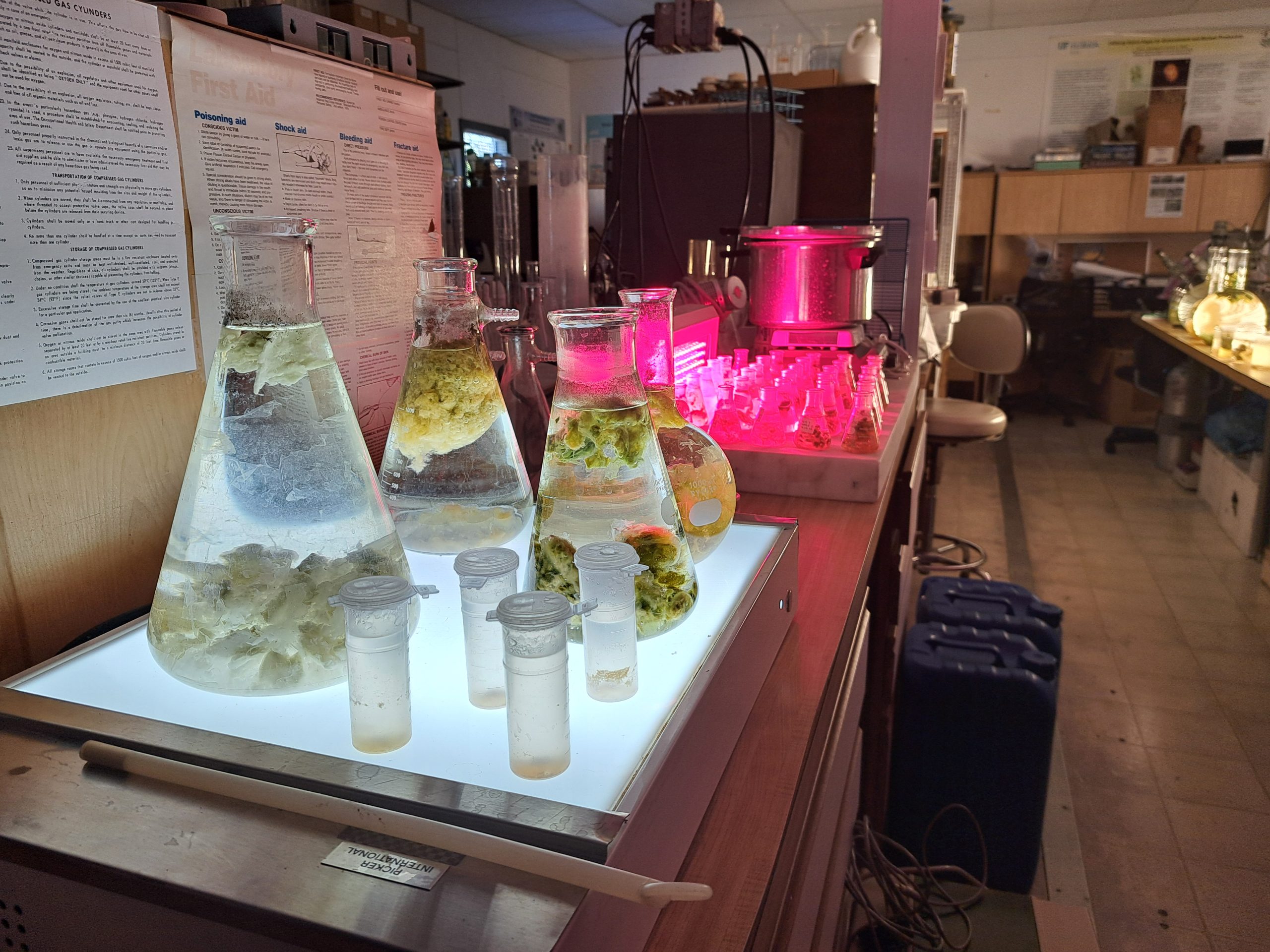
– Crossovers between art, science, and digital culture
We encourage bold experimentation, interdisciplinary thinking, and thoughtful responses to contemporary issues. You’ll graduate with creative fluency and adaptable skills that thrive.
You’ll explore new media through hands-on studio work, gaining experience with both emerging tools and big ideas. The curriculum blends technique, experimentation, and critical reflection as you begin shaping your artistic voice.
Courses introduce tools and techniques like:
– Digital imaging, video, and animation
– Programming, web design, and interactivity
– Installation, simulation, and other experimental formats
You’ll choose electives across disciplines to build a flexible, curiosity-driven practice informed by the world around you.
As a graduate student in Art + Technology, you’ll expand your understanding of what it means to work digitally. The program encourages a multidisciplinary, research-driven approach that blends studio practice with critical theory and experimentation. You’ll explore how technology shapes culture—and how your work can challenge, question, and contribute to that dialogue.
Your creative research may include:
– Interactivity, video, sound, and networked media
– Installation, animation, text, and immersive environments
– Aesthetic computing, biotechnology, GPS, mapping, and sensing systems
Over three years, you’ll develop a sustained artistic practice supported by studio coursework, graduate seminars, critiques, and independent studies. You’ll also have access to the resources of a major research university—giving you space to explore ambitious ideas and collaborate across disciplines.